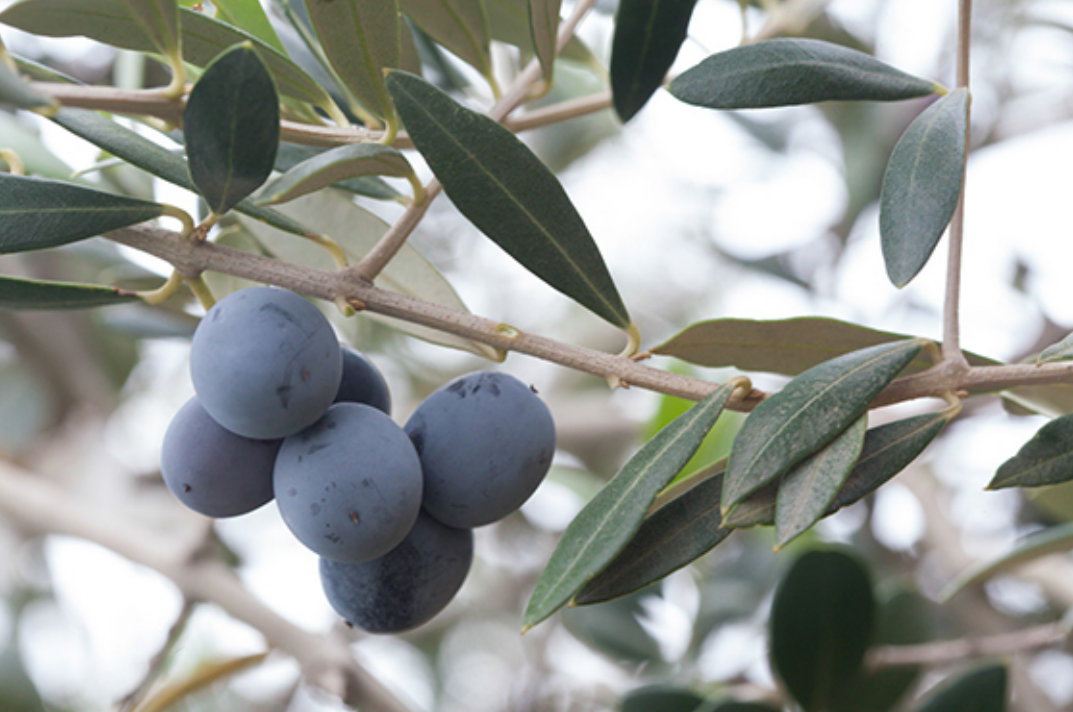
Arbequina
Catalonia, Spain
Silky, almond-led, with sweet herb lift and low aggression on the finish.
Historically rooted in northeastern Spain and now one of the defining cultivars of modern high-density groves worldwide.
- Aromatic profile
- Green almond, apple skin, chamomile, faint banana peel
- Polyphenol range
- 220-420 mg/kg (seasonal range)
- Pairing
- Crudo fish, butter lettuce, burrata, citrus-forward dressings
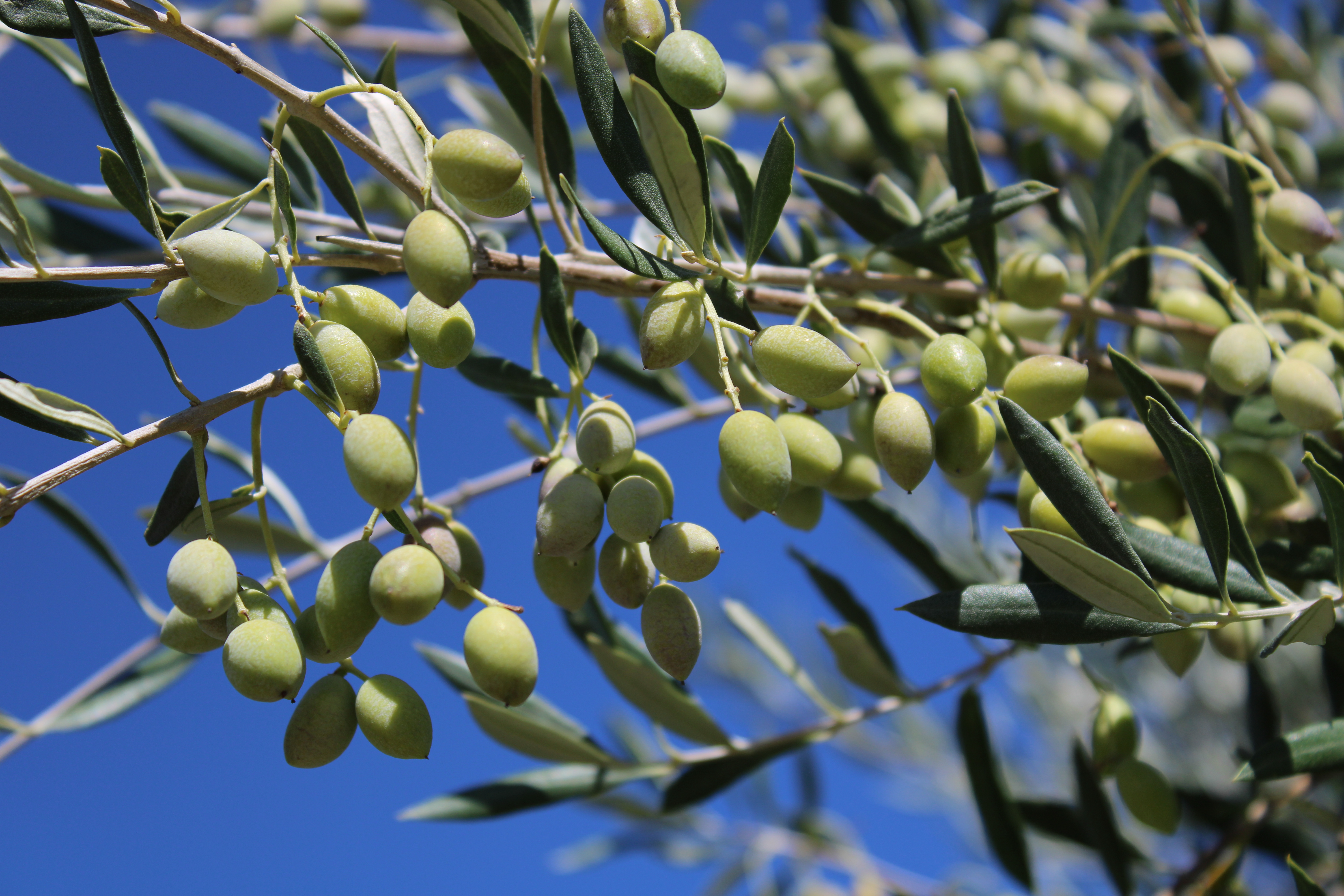
Koroneiki
Crete & Peloponnese, Greece
Compact fruit with immediate green energy, pronounced pepper, and long herbal persistence.
The backbone of Greek oil culture; prized for resilience, high aromatic expression, and dependable phenolic structure.
- Aromatic profile
- Wild oregano, green banana, arugula stem, white pepper
- Polyphenol range
- 420-700 mg/kg (seasonal range)
- Pairing
- Charred greens, lentils, grilled octopus, bitter-leaf salads
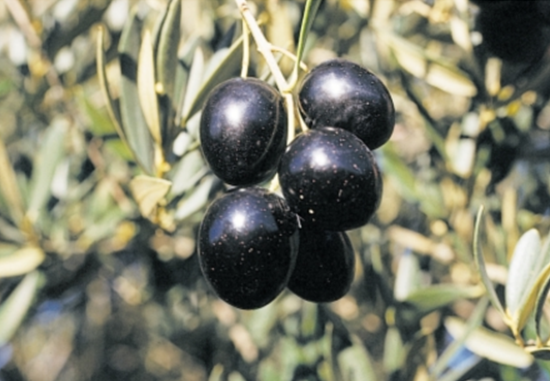
Picual
Jaen, Andalusia, Spain
Architectural and firm: tomato leaf, chicory bitterness, and a deliberate pepper crescendo.
A dominant Spanish cultivar with deep ties to Jaen, now globally recognized for high oil yield and stable structure.
- Aromatic profile
- Tomato vine, artichoke heart, fig leaf, black pepper
- Polyphenol range
- 450-760 mg/kg (seasonal range)
- Pairing
- Grilled lamb, bitter vegetables, braised legumes, rustic toasts
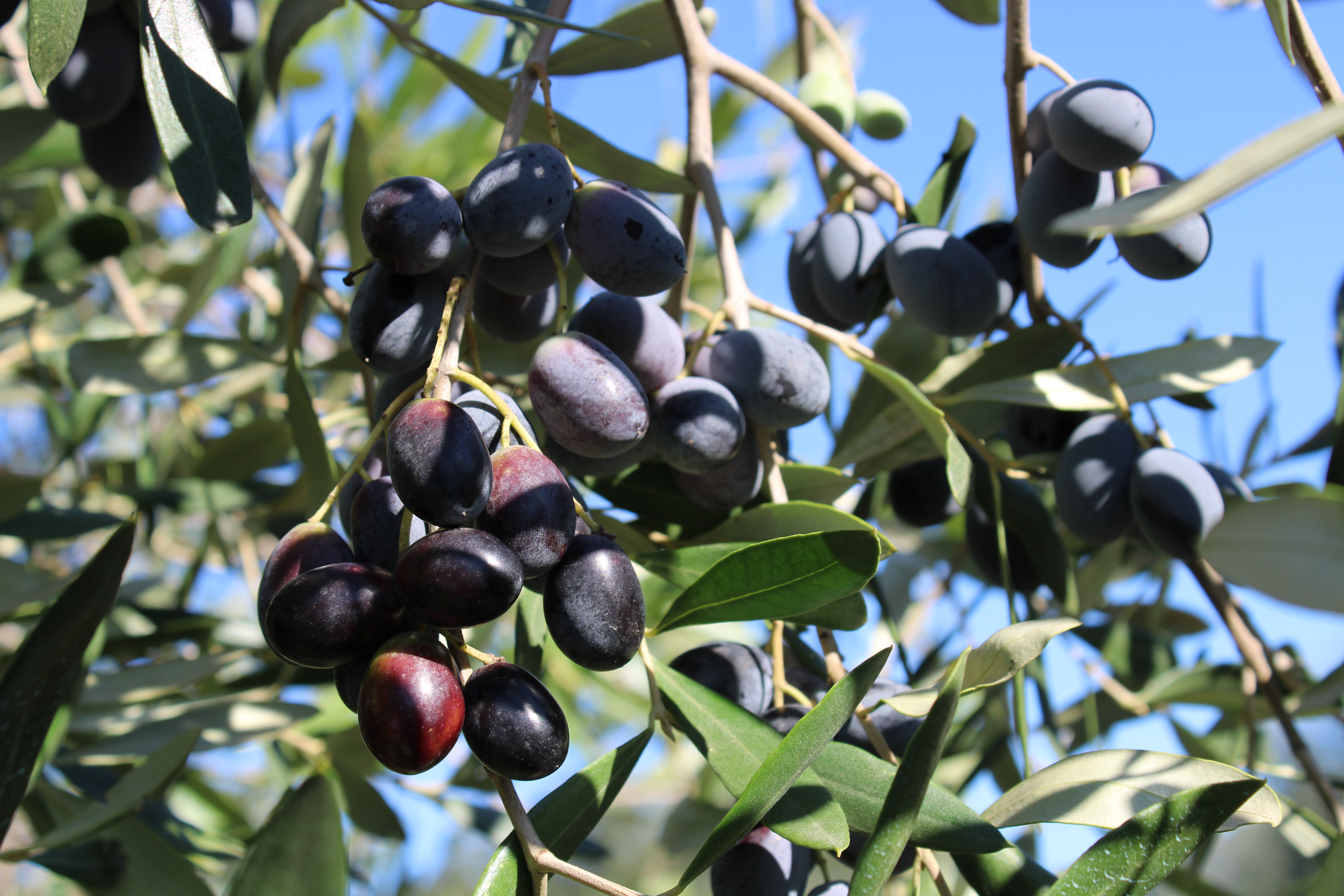
Frantoio
Tuscany & central Italy
Refined green fruit with polished bitterness and a lifted, elegant aromatic line.
One of Italy’s classic oil cultivars, often associated with Tuscan milling traditions and balanced premium blends.
- Aromatic profile
- Green apple, sage, artichoke, sweet pepper
- Polyphenol range
- 320-560 mg/kg (seasonal range)
- Pairing
- Tomato pasta, porcini, white beans, grilled country bread
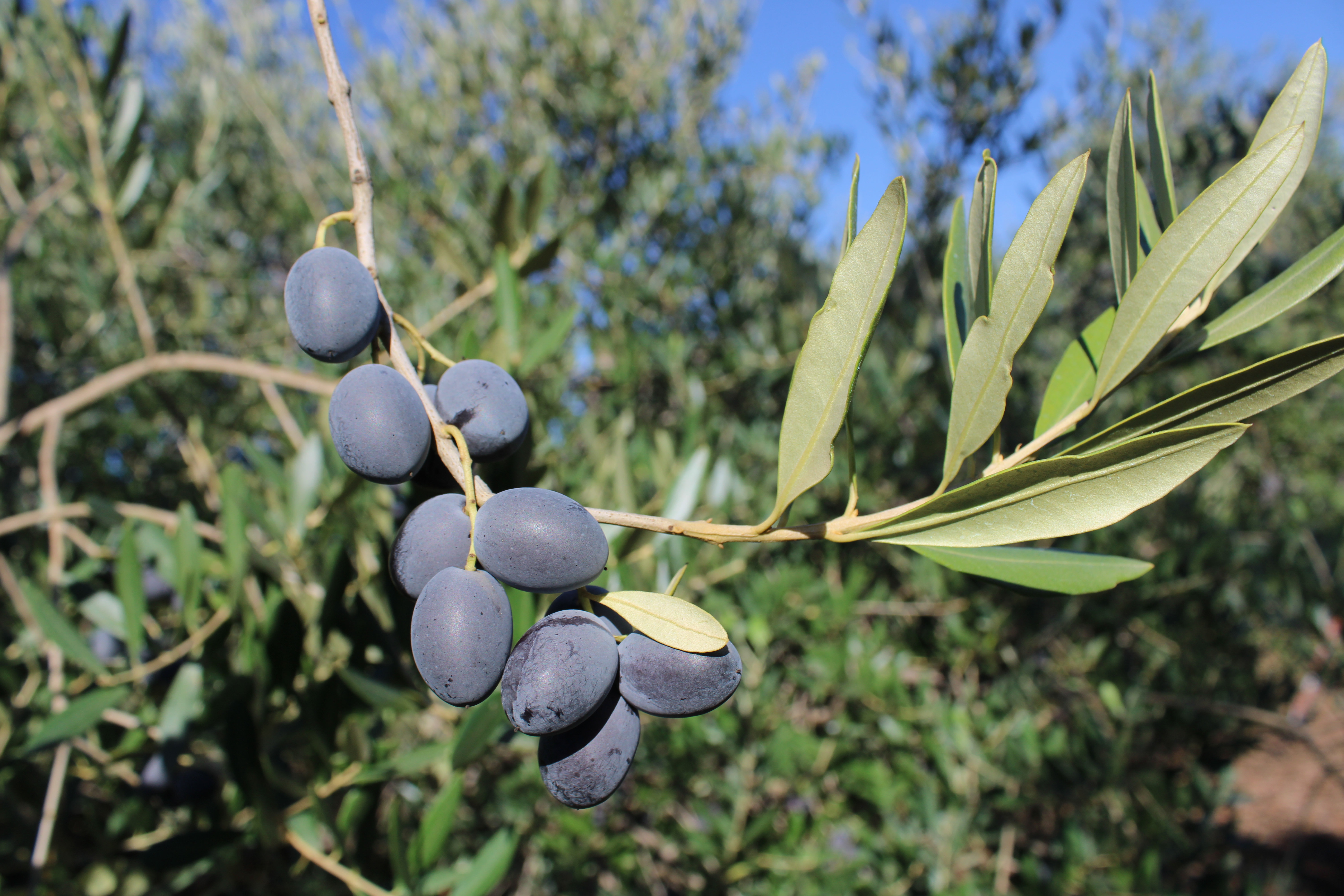
Leccino
Tuscany, Italy
Supple and rounded with softer bitterness, making it one of the most graceful bridge cultivars.
Long cultivated across Tuscany and neighboring regions; widely used to add poise and approachability to blends.
- Aromatic profile
- Ripe olive, soft herbs, sweet almond, faint green tea
- Polyphenol range
- 240-450 mg/kg (seasonal range)
- Pairing
- Poached fish, veloute soups, fresh cheeses, spring vegetables
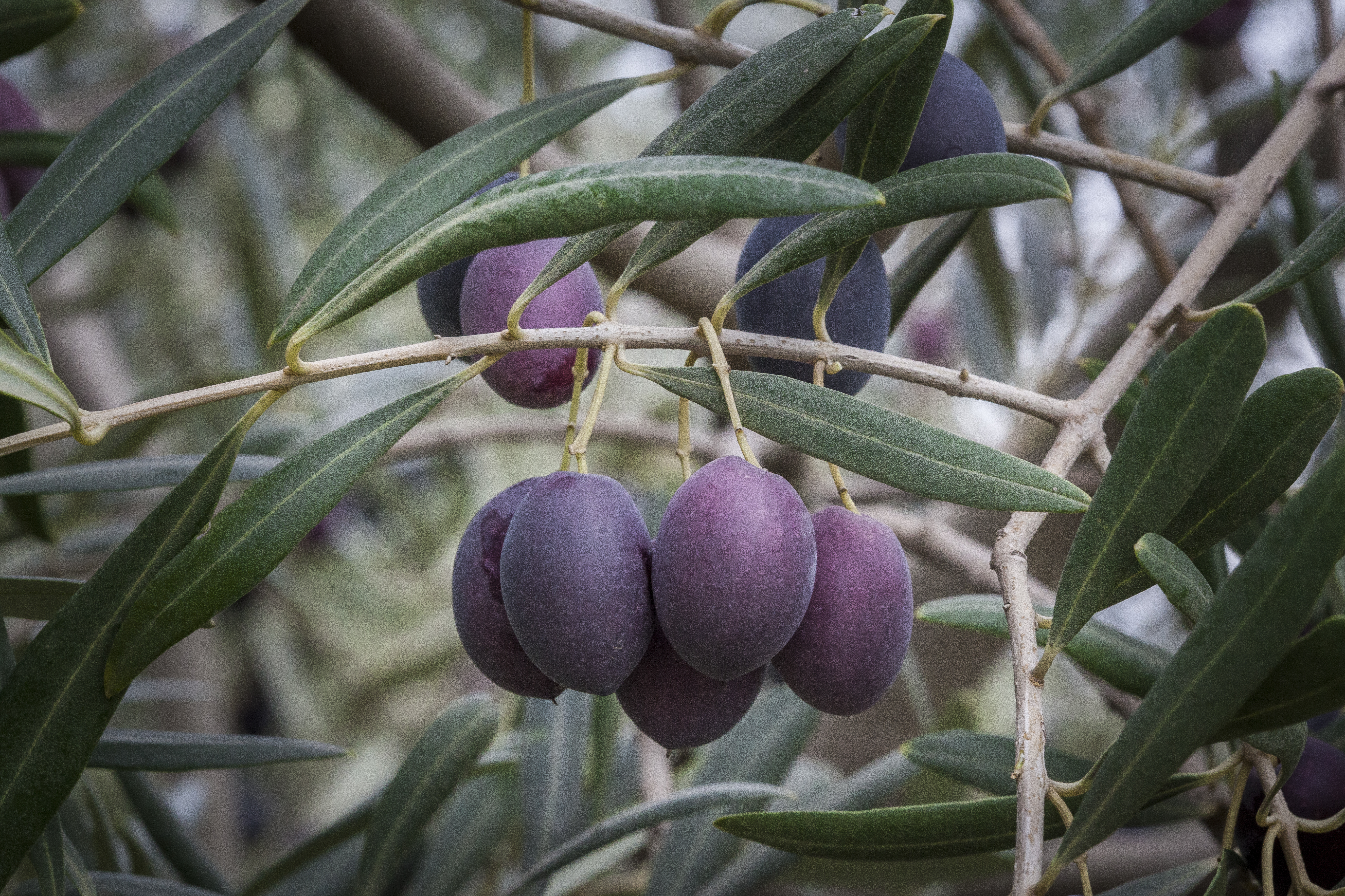
Cobrancosa
Tras-os-Montes & Alentejo, Portugal
Savory, herbaceous, and textural with vivid bitterness and a long, spicy finish.
A native Portuguese cultivar deeply tied to traditional dry-farmed groves and contemporary monovarietal bottlings.
- Aromatic profile
- Green almond skin, nettle, cut grass, olive leaf
- Polyphenol range
- 360-620 mg/kg (seasonal range)
- Pairing
- Roasted roots, cod, chickpea braises, flame-charred peppers
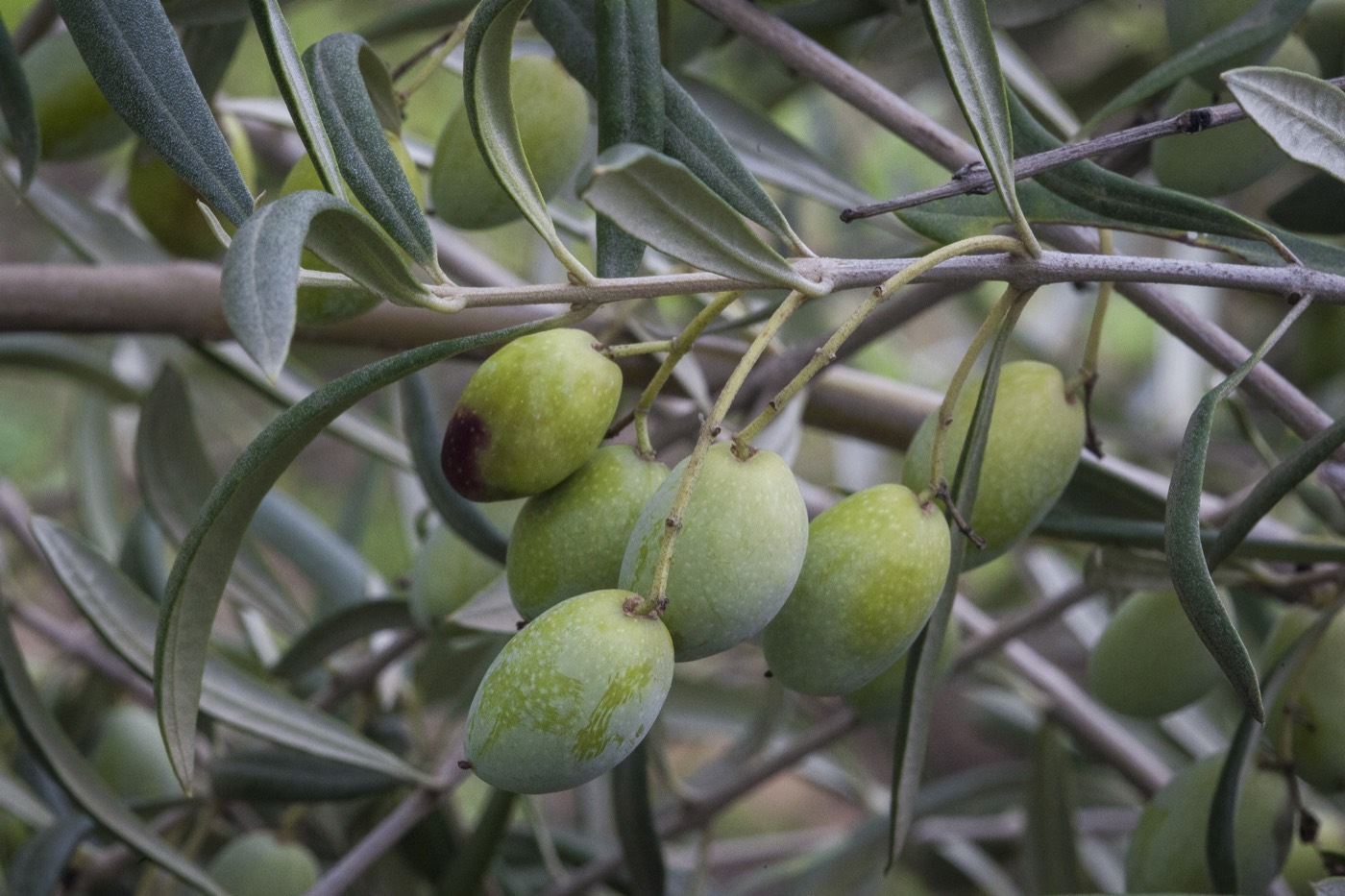
Coratina
Puglia, Italy
Forceful and uncompromising when harvested early, with towering bitterness, searing pepper, and a dense, green core.
A signature of southern Italy and a reference point for phenolic intensity and oxidative stability.
- Aromatic profile
- Artichoke, chicory, green almond skin, black pepper
- Polyphenol range
- 600-900+ mg/kg (seasonal range)
- Pairing
- Grilled meats, bitter greens, lentils, rustic legume dishes
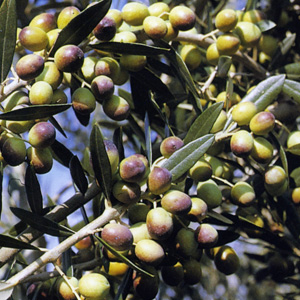
Moraiolo
Umbria & central Italy
Compact, bitter, and tightly wound, with dark green herbal tones and long, persistent pungency.
A small-fruited cultivar prized for intensity rather than volume, often used as the structural backbone of serious blends.
- Aromatic profile
- Artichoke, wild herbs, olive leaf, green peppercorn
- Polyphenol range
- 500-800 mg/kg (seasonal range)
- Pairing
- Bean soups, grilled vegetables, mushroom dishes, country bread
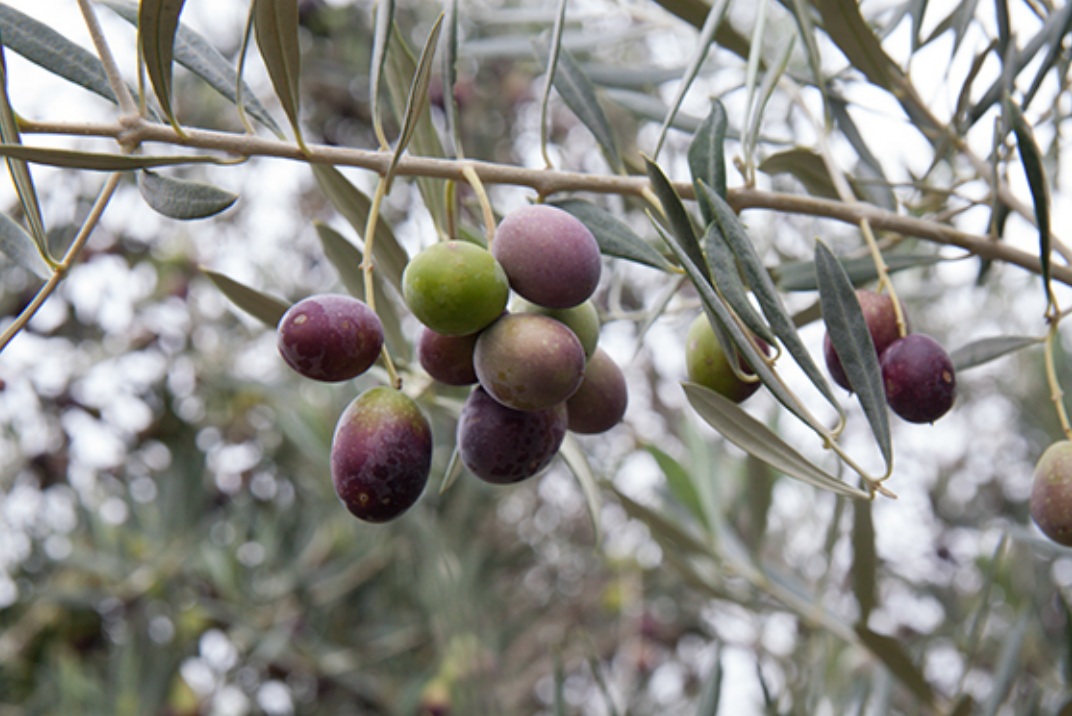
Hojiblanca
Andalusia, Spain
Aromatic and flexible, capable of both gentle, fruit-forward oils and structured, green-harvest styles.
One of Spain's major cultivars, widely planted and stylistically versatile.
- Aromatic profile
- Green apple, fresh herbs, fennel, soft citrus peel
- Polyphenol range
- 300-550 mg/kg (seasonal range)
- Pairing
- White fish, roasted poultry, grilled vegetables, fresh salads
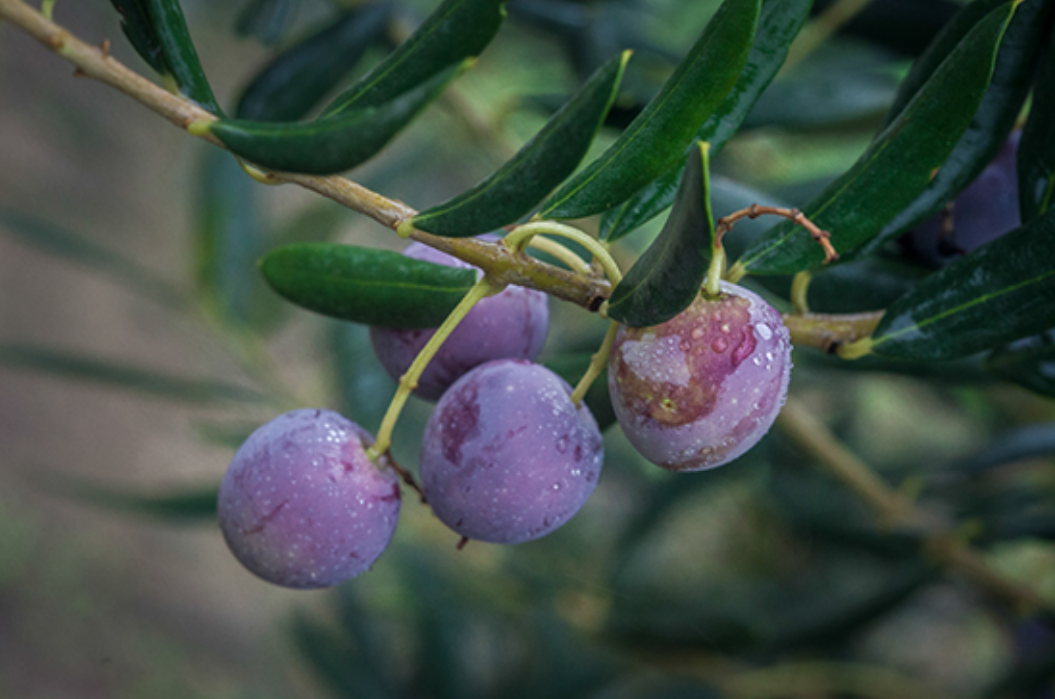
Oblica
Dalmatia, Croatia
Savory, firm, and herb-driven, with pronounced bitterness and a dry, structured finish in early-harvest examples.
The flagship cultivar of Dalmatia, historically valued for resilience and now for modern, high-precision expression.
- Aromatic profile
- Green herbs, almond skin, olive leaf, cut grass
- Polyphenol range
- 400-700 mg/kg (seasonal range)
- Pairing
- Grilled fish, bitter greens, legumes, rustic vegetable dishes
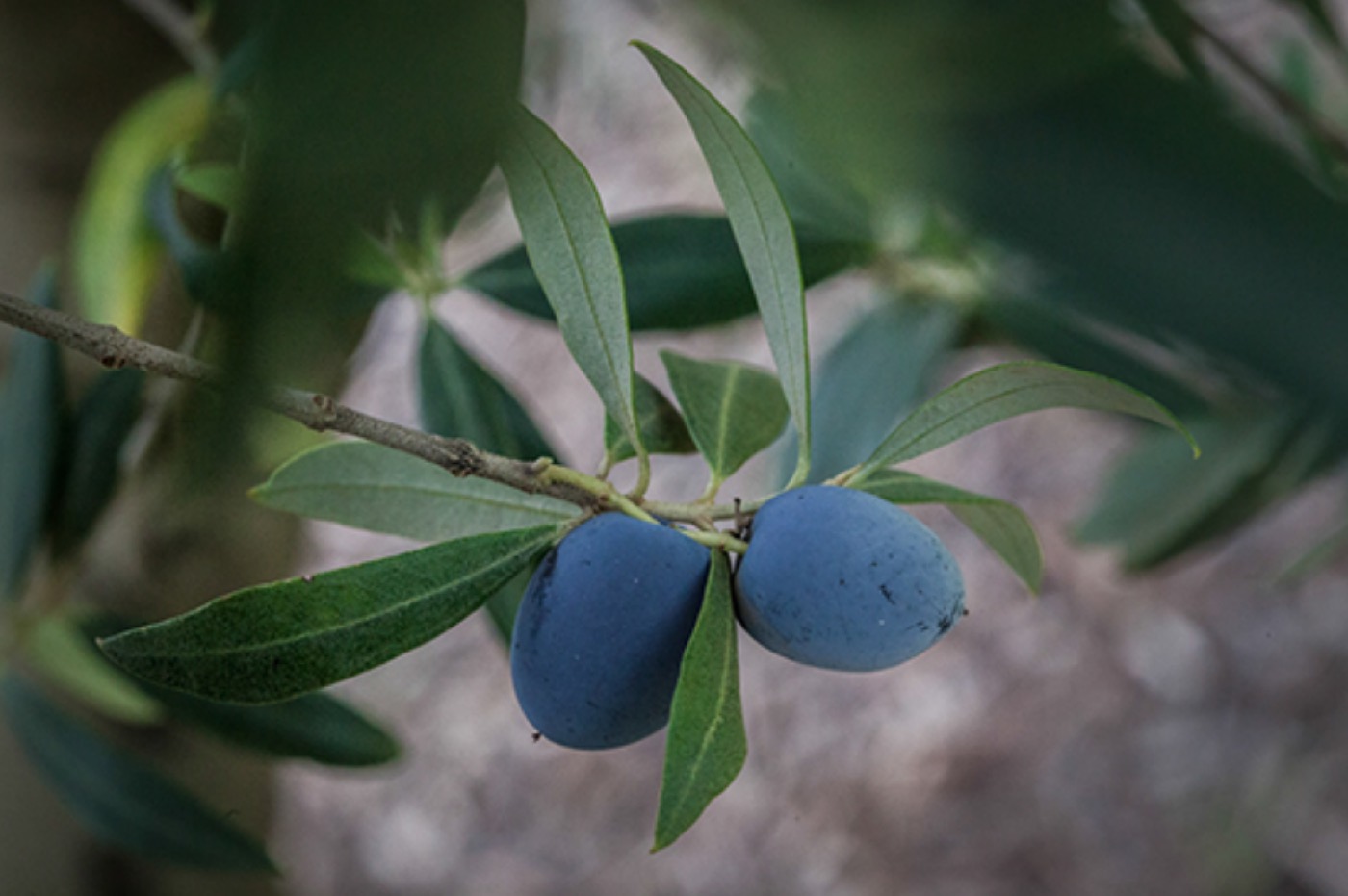
Chetoui
Northern Tunisia
Rustic, powerful, and intensely bitter when picked early, with strong pungency and notable oxidative stability.
One of Tunisia's key quality cultivars and a reference point for high-phenolic North African styles.
- Aromatic profile
- Olive leaf, green herbs, chicory, black pepper
- Polyphenol range
- 500-800+ mg/kg (seasonal range)
- Pairing
- Hearty stews, grilled meats, lentils, robust vegetable dishes